
Best Wardrobe Material
Choosing the Best Wardrobe Material is one of the most important decisions when designing a functional and long-lasting storage solution for your home. The material you select directly impacts durability, maintenance, appearance, and overall performance, making it a critical part of any modern wardrobe design or modular wardrobe solution.
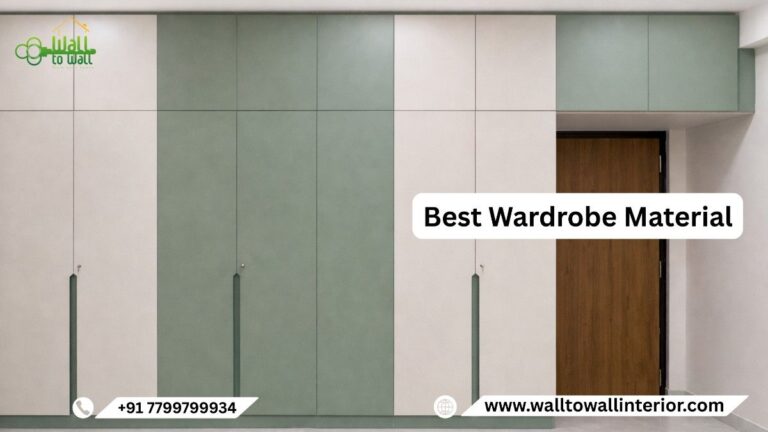
With multiple options available today, many homeowners find it challenging to evaluate the different types of wardrobe materials and make the right choice. From plywood vs MDF vs HDF wardrobe comparisons to understanding durable wardrobe materials and finishes, selecting the right option requires careful consideration.
Types of Wardrobe Materials
Understanding the types of wardrobe materials is the first step in choosing the Best Wardrobe Material for your home. Each material comes with its own strengths, durability levels, and suitability for different interior needs.
Plywood
Plywood is one of the most widely used and durable wardrobe materials in modern homes. It is manufactured by bonding multiple layers of wood veneer, which gives it strength, stability, and resistance to wear and tear. Because of its performance, plywood is often a top choice in modern wardrobe materials for home and modular wardrobe designs.
Key Features of Plywood
- High strength and long-lasting durability
- Good moisture resistance compared to other engineered woods
- Suitable for heavy-duty and long-term use
- Commonly used in modular wardrobe interiors and custom storage solutions
Due to its balance of strength, durability, and reliability, plywood is often considered the Best Wardrobe Material for homeowners who prioritize long-term performance and structural stability.
MDF (Medium Density Fiberboard)
MDF is an engineered wood product made by compressing fine wood fibers with resin under high pressure. It is widely used in modern wardrobe materials for home due to its smooth surface and consistent finish, making it suitable for contemporary designs.
Key Features of MDF
- Smooth and uniform surface, ideal for paint and polish
- Best suited for painted wardrobe finishes and decorative panels
- Cost-effective compared to plywood, making it popular in budget interiors
- Commonly used in modular wardrobe designs and modern interiors
In the Plywood vs MDF vs HDF wardrobe comparison, MDF stands out for its finish quality and affordability. However, it is less resistant to moisture compared to plywood, which limits its use in humid conditions.
HDF (High Density Fiberboard)
HDF is an engineered wood material similar to MDF but manufactured with higher density, making it stronger and more durable. It is commonly used in modern wardrobe materials for home, especially for shutters, back panels, and decorative surfaces.
Key Features of HDF
- Higher density and better strength compared to MDF
- Smooth and uniform surface, ideal for laminates and finishes
- Commonly used for wardrobe shutters, panels, and backing boards
- Suitable for modular wardrobe designs and contemporary interiors
In the Plywood vs MDF vs HDF wardrobe comparison, HDF offers a balance between strength and surface finish. While it performs better than MDF in terms of durability, it is still not as strong or moisture-resistant as plywood.
Solid Wood
Solid wood is a premium choice and is often regarded as the best wood for wardrobe due to its natural strength, durability, and timeless appearance. It is widely used in high-end interiors and traditional furniture designs where longevity and aesthetics are priorities.
Key Features of Solid Wood
- High durability and structural strength
- Natural grain patterns that enhance visual appeal
- Long lifespan with proper care and maintenance
- Suitable for classic as well as premium modern wardrobe materials for home
In the wardrobe materials comparison, solid wood stands out as one of the most durable wardrobe materials, but it is more expensive compared to engineered options like plywood, MDF, and HDF. While it can be considered the Best Wardrobe Material for luxury interiors, it may not always be the most practical choice for budget-conscious homeowners.
Particle Board
Particle board is an engineered wood material made by compressing wood chips and resin under pressure. It is commonly used in budget-friendly interior solutions and basic furniture applications.
Key Features of Particle Board
- Cost-effective option for low-budget projects
- Lightweight and easy to handle
- Suitable for low-cost modular wardrobe designs
- Often used in temporary or rental home setups
In the wardrobe materials comparison, particle board is considered an economical choice, but it falls short in terms of durability and strength. It is less resistant to moisture and may not withstand heavy usage over time.
Glass and Mirror Finishes
Glass and mirror panels are commonly used as surface finishes rather than core structural materials in wardrobes. They play an important role in enhancing the overall look and feel of modern wardrobe materials for home, especially in contemporary interiors.
Key Features of Glass and Mirror Finishes
- Enhances modern wardrobe designs with a sleek and stylish appearance
- Creates a spacious and brighter look, ideal for small bedroom interiors
- Commonly used in sliding wardrobes and modular wardrobe designs
- Available in various options such as frosted glass, tinted glass, and full-length mirrors
In the wardrobe materials comparison, glass and mirror finishes are valued for their aesthetic appeal rather than durability. They are often combined with core materials like plywood or MDF to achieve both strength and design enhancement.
Wardrobe Materials Comparison
A clear wardrobe materials comparison helps in understanding which material performs better in different conditions.
Material | Durability | Cost | Moisture Resistance | Maintenance |
Plywood | High | Medium | Good | Low |
MDF | Medium | Low | Low | Medium |
HDF | Medium-High | Medium | Moderate | Medium |
Solid Wood | Very High | High | Good | Medium |
Particle Board | Low | Very Low | Poor | High |
From this wardrobe materials comparison, plywood and solid wood stand out as the most reliable choices.
Plywood vs MDF vs HDF Wardrobe
The debate around Plywood vs MDF vs HDF wardrobe is one of the most common when selecting the Best Wardrobe Material. Each option serves a different purpose based on durability, finish, and budget.
- Plywood: Known for high strength and moisture resistance, making it one of the most durable wardrobe materials. It is widely used in modular wardrobe designs and is suitable for long-term use, especially in varying climates.
- MDF (Medium Density Fiberboard): Offers a smooth and uniform surface, making it ideal for painted finishes and decorative designs. It is a popular choice in modern wardrobe materials for home, particularly for budget-friendly interiors.
- HDF (High Density Fiberboard): Provides better strength than MDF with a similar smooth finish. It is often used for shutters and panels, making it a balanced option in many wardrobe materials comparison scenarios.
Which Material is Best for Wardrobe?
If you are wondering which material is best for wardrobe, the answer depends on your specific requirements such as durability, budget, design preference, and environmental conditions. Choosing the Best Wardrobe Material involves balancing all these factors for long-term performance.
For Durability
If durability is your top priority, plywood and solid wood are considered the most durable wardrobe materials. They offer strong structural support and are suitable for heavy and long-term usage in modular wardrobe designs.
For Budget-Friendly Options
For cost-effective interiors, MDF and particle board are commonly used. These materials are suitable for budget wardrobe solutions and basic storage needs, especially in rental or short-term setups.
For Modern Designs
For aesthetics and contemporary styles, materials like MDF, laminates, glass, and acrylic finishes are widely used in modern wardrobe materials for home. These options help achieve clean, stylish, and minimal designs.
For Moisture Resistance
In humid conditions, plywood performs better compared to MDF and particle board. This makes it a preferred choice when selecting the Best Wardrobe Material for Indian homes, where climate can impact furniture durability.
Best Material for Wardrobe in India
When selecting the Best Wardrobe Material in India, climate and usage play a major role.
- Plywood is ideal due to its moisture resistance
- Laminates improve durability and finish
- MDF can be used in dry areas
- Solid wood is suitable for premium interiors
Due to varying weather conditions, plywood is widely considered the Best Wardrobe Material for Indian homes.
Durable Wardrobe Materials for Long-Term Use
If longevity is your priority, selecting durable wardrobe materials is essential when choosing the Best Wardrobe Material for your home. The right material ensures structural strength, resistance to wear, and consistent performance over time.
- Plywood: One of the most reliable options in any wardrobe materials comparison, plywood offers excellent strength and moisture resistance. It is widely used in modular wardrobe designs and is ideal for long-term use.
- Solid Wood: Known as the best wood for wardrobe, solid wood provides unmatched durability and a premium natural finish. It is suitable for homeowners looking for long-lasting and high-end furniture solutions.
- High-Quality HDF: A stronger alternative to MDF, HDF offers better density and durability. It is commonly used for shutters and panels in modern wardrobe materials for home.
Wardrobe Material Pros and Cons
Understanding wardrobe material pros and cons is essential when selecting the Best Wardrobe Material for your home. Evaluating both advantages and limitations helps you make a practical and informed decision.
Pros:
- Strong and highly durable, suitable for long-term use
- Good moisture resistance compared to other engineered woods
- Long lifespan, making it ideal for durable wardrobe materials
- Widely used in modular wardrobe designs
Cons:
- Slightly higher cost compared to MDF and particle board
- Requires proper finishing (laminate or veneer) for better appearance
In most wardrobe materials comparison scenarios, plywood continues to be considered a leading option for the Best Wardrobe Material, especially when durability and performance are top priorities.
MDF (Medium Density Fiberboard)
MDF is a popular choice in modern wardrobe materials for home, especially where design and finish quality are important. It is widely used in modular wardrobe designs for achieving smooth and painted surfaces.
Pros:
- Smooth and uniform finish, ideal for paint and polish
- Affordable option for budget-friendly interiors
- Perfect for painted wardrobe designs and decorative panels
- Easy to shape and customize for design flexibility
Cons:
- Low moisture resistance compared to plywood
- Less durable under heavy or long-term usage
- Not ideal for humid environments
Solid Wood
Solid wood is often considered a premium choice and is widely regarded as the best wood for wardrobe due to its natural strength and timeless appeal. It is commonly used in high-end interiors and classic furniture designs.
Pros:
- Premium look with rich natural grain patterns
- Highly durable and long-lasting
- Natural finish that enhances overall aesthetics
- Suitable for luxury modern wardrobe materials for home
Cons:
- Expensive compared to engineered materials like plywood and MDF
- Requires regular maintenance to preserve finish and prevent damage
- Can be affected by humidity if not treated properly
Particle Board
Particle board is a cost-effective option often used in basic furniture and budget-friendly wardrobe solutions. It is commonly found in entry-level modular wardrobe designs where affordability is a priority.
Pros:
- Budget-friendly and widely available
- Suitable for temporary or low-usage furniture
Cons:
- Low durability compared to plywood and solid wood
- Poor moisture resistance, not suitable for humid conditions
- Limited lifespan under heavy or regular use
Best Wood for Wardrobe
If you prefer natural materials, choosing the best wood for wardrobe is important.
Popular options include:
- Teak wood
- Sheesham wood
- Oak wood
These woods are known for strength, durability, and long-lasting performance.
Modern Wardrobe Materials for Home
Today’s interiors use a mix of modern wardrobe materials for home to balance functionality, durability, and visual appeal. Instead of relying on a single material, most modular wardrobe designs combine core materials with surface finishes to achieve better performance and aesthetics.
Common Combinations Used in Modern Wardrobes
- Plywood with laminate finish:
A highly preferred combination for the Best Wardrobe Material, offering strength, moisture resistance, and a wide range of finishes for different interior styles. - MDF with paint or acrylic finish:
Ideal for achieving smooth, seamless surfaces in modern wardrobe designs, especially for contemporary and minimal interiors. - Glass and mirror panels:
Commonly used in sliding wardrobes to enhance brightness and create a spacious look, especially in small bedroom wardrobe ideas. - High-gloss laminates:
Popular in modern wardrobe materials for home, these provide a sleek and premium appearance while being relatively easy to maintain.
Expert Tips for Choosing the Best Wardrobe Material
When selecting the Best Wardrobe Material, consider the following:
- Assess room conditions (humidity, usage)
- Choose material based on durability needs
- Balance budget with quality
- Focus on internal structure strength
- Select finishes separately from core material
Conclusion
Selecting the Best Wardrobe Material requires careful evaluation of durability, cost, and design requirements. While there are multiple options available, plywood remains one of the most reliable choices for Indian homes due to its strength and moisture resistance.
By understanding the different types of wardrobe materials, analyzing wardrobe materials comparison, and evaluating wardrobe material pros and cons, you can make a practical and informed decision that ensures long-term performance and functionality.
FAQ's
1. What is the Best Wardrobe Material for long-term use?
Plywood is widely considered the Best Wardrobe Material for long-term use due to its strength, durability, and moisture resistance.
2. Which material is best for wardrobe in India?
In Indian conditions, plywood is often the Best Wardrobe Material because it performs well in varying humidity levels.
3. What are the different types of wardrobe materials?
Common types of wardrobe materials include plywood, MDF, HDF, solid wood, and particle board.
4. Which is better: Plywood vs MDF vs HDF wardrobe?
In the Plywood vs MDF vs HDF wardrobe comparison, plywood is best for durability, MDF for smooth finishes, and HDF offers a balance of both.
5. Is MDF a good option for wardrobes?
MDF is suitable for budget-friendly and design-focused wardrobes but may not be the Best Wardrobe Material for high moisture areas.
6. What are the most durable wardrobe materials?
The most durable wardrobe materials include plywood and solid wood, followed by high-quality HDF.
7. Which material is best for wardrobe in humid areas?
Plywood is the Best Wardrobe Material for humid areas due to its better moisture resistance.
8. What is the best wood for wardrobe?
Teak, sheesham, and oak are considered the best wood for wardrobe due to their strength and durability.
9. Are particle board wardrobes durable?
Particle board is not very durable and is generally used in budget interiors, not as the Best Wardrobe Material for long-term use.
10. What are modern wardrobe materials for home?
Modern wardrobe materials for home include plywood with laminates, MDF with paint finishes, glass panels, and acrylic surfaces.
11. How do I choose the Best Wardrobe Material?
Consider factors like durability, budget, moisture exposure, and design preferences when choosing the Best Wardrobe Material.
12. Is solid wood better than plywood for wardrobes?
Solid wood is more premium, but plywood is often more practical and cost-effective as the Best Wardrobe Material for most homes.
13. Which wardrobe material requires less maintenance?
Plywood with laminate finish is low-maintenance and commonly used in modular wardrobe designs.
14. Can I combine different wardrobe materials?
Yes, combining materials is common in modern wardrobe materials for home to balance durability and aesthetics.
15. Which wardrobe material is best for budget interiors?
MDF and particle board are suitable for budget setups, but they may not match the performance of the Best Wardrobe Material like plywood.