
Wallpaper vs Wall Paint
When designing or renovating a home, one of the most common decisions homeowners face is choosing between Wallpaper vs Wall Paint. Both options can dramatically influence the appearance, atmosphere, and style of a room. However, they differ in terms of cost, durability, maintenance, installation, and design possibilities.
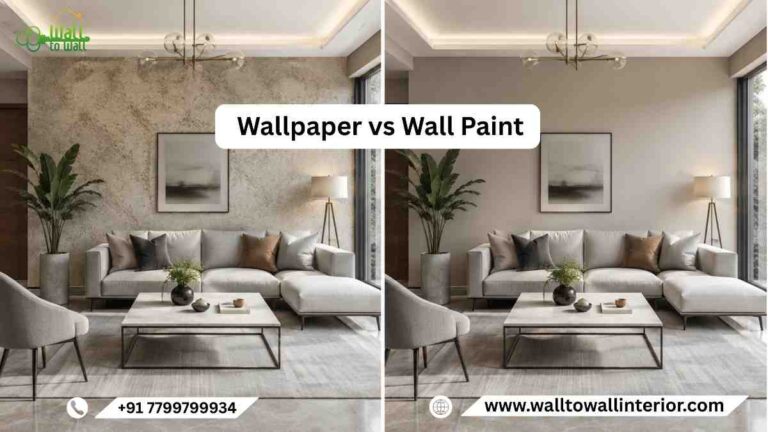
Understanding the differences between Wallpaper vs Wall Paint can help homeowners make informed decisions based on their design preferences, budget, and long-term requirements. Whether you are decorating a living room, bedroom, dining area, or office, evaluating the advantages and limitations of each option is essential.
What Is Wall Paint?
Wall paint is a decorative and protective coating applied to interior or exterior wall surfaces to enhance their appearance and durability. It is one of the most commonly used wall-finishing materials because it offers flexibility in design, a broad range of color choices, and a cost-effective way to refresh living spaces.
Whether used in residential or commercial interiors, wall paint can help create different moods, complement design themes, and improve the overall aesthetic appeal of a room.
Features of Wall Paint
- Available in an extensive variety of colors and shades
- Offered in multiple finishes, including matte, satin, semi-gloss, and gloss
- Easy to apply on different wall surfaces
- Can be repainted when design preferences change
- Suitable for both contemporary and traditional interior styles
- Generally simple to clean and maintain
Due to its versatility, affordability, and ease of customization, wall paint continues to be a preferred wall-finishing option for a wide range of interior design projects.
What Is Wallpaper?
Wallpaper is a design element that covers interior walls with decorative prints, textures, and colors. It is commonly used to introduce visual interest, define interior themes, and enhance the overall aesthetics of residential and commercial spaces.
Available in numerous styles and materials, wallpaper can complement a wide range of interior themes, from modern and minimalist designs to classic and luxurious settings.
Features of Wallpaper
- Extensive selection of patterns, prints, and decorative designs
- Available in textured, embossed, and smooth finishes
- Helps create attractive feature walls and focal points
- Suitable for residential and commercial spaces
- Available in various materials to suit different design requirements
Many homeowners choose Wallpaper for Home Interiors because it offers design flexibility and the ability to create unique and personalized living spaces. Its wide variety of styles makes wallpaper a popular option for enhancing the overall aesthetic appeal of a room.
Wallpaper vs Wall Paint: Key Differences
Understanding the key differences between Wallpaper vs Wall Paint can help homeowners choose the most suitable wall-finishing option for their interior spaces. While both solutions enhance the appearance of a room, they differ significantly in terms of design possibilities, texture, visual impact, and customization options.
Appearance and Design Options
One of the most noticeable aspects of the Wallpaper vs Wall Paint Comparison is the variety of aesthetic choices available with each option.
Wallpaper
Wallpaper provides extensive design versatility and allows homeowners to introduce patterns, textures, and visual elements that go beyond solid colors.
Popular wallpaper options include:
- Floral patterns
- Geometric designs
- Textured finishes
- Marble-inspired effects
- Metallic accents
- Nature-themed prints
Because of its wide range of designs, wallpaper can add depth, character, and decorative appeal to a room. It is often used to create feature walls and enhance the overall visual interest of an interior.
Wall Paint
Wall paint primarily focuses on color selection and finish type, offering a simpler and more understated appearance.
Common paint options include:
- Matte finishes
- Satin finishes
- Gloss finishes
- Textured paint applications
- Decorative paint effects
Paint provides a clean, versatile, and timeless look that complements a variety of interior design styles. It also allows homeowners to easily update color schemes when design preferences change.
Wallpaper vs Wall Paint: Design Perspective
When evaluating Wallpaper vs Wall Paint, wallpaper generally offers greater decorative variety through patterns and textures, while wall paint provides flexibility through color customization and finish options. The ideal choice depends on the desired aesthetic, room function, and overall interior design goals.
Durability Comparison
Durability is an important factor to consider when comparing Wallpaper vs Wall Paint. The longevity of a wall finish can influence maintenance requirements, future renovation costs, and the overall appearance of a space over time. While both options can provide lasting results, their performance depends on material quality, installation standards, usage patterns, and environmental conditions.
Wallpaper
High-quality wallpaper can maintain its appearance for many years when installed correctly and cared for properly. It is often chosen for its ability to retain its original design and decorative appeal over an extended period.
Advantages of Wallpaper
- Resistant to minor scratches and scuffs
- Maintains its visual appeal for a long time
- Preserves patterns, textures, and colors consistently
- Less likely to show minor surface imperfections
- Suitable for feature walls and decorative interiors
Because of its durability, many homeowners prefer Wallpaper for Home Interiors in spaces where long-lasting decorative finishes are desired.
Wall Paint
Wall paint can also offer reliable durability, particularly when premium-quality products are used. Its ability to be refreshed or updated easily makes it a practical option for many homeowners.
Advantages of Wall Paint
- Easy to touch up when minor marks or damage occur
- Simple to repaint when updating interior styles
- Flexible for changing color schemes and design preferences
- Can be maintained with routine cleaning and occasional repainting
Paint is often favored by homeowners who prefer the flexibility to refresh their interiors periodically without major renovations.
Wallpaper vs Wall Paint: Durability Perspective
In the Wallpaper vs Wall Paint Comparison, both options can provide long-lasting performance when properly maintained. Wallpaper is valued for its ability to retain decorative designs and textures over time, while wall paint offers greater flexibility through easy repairs and repainting. The lifespan of either solution ultimately depends on maintenance practices, product quality, and the environmental conditions within the space

Wallpaper vs Wall Paint Cost
One of the most important considerations in the Wallpaper vs Paint Cost comparison is the difference between upfront expenses and long-term maintenance costs. While both options can enhance the appearance of a space, the overall investment varies depending on the materials, installation process, and future upkeep requirements.
Wallpaper Cost Considerations
Wallpaper installation typically involves several cost components beyond the wallpaper itself. The final expense can vary based on the type of wallpaper selected, wall condition, and installation requirements.
Common Wallpaper Expenses
- Wallpaper material costs
- Adhesives and installation supplies
- Surface preparation and wall repairs
- Professional installation charges
- Replacement or removal costs in the future
Premium wallpapers with specialized textures, designer patterns, or high-end materials often involve a higher initial investment. Additionally, installation may require greater precision and expertise, which can increase labor costs.
Wall Paint Cost Considerations
Paint-related expenses typically include:
- Paint materials
- Primers
- Application tools
- Labor costs
Paint is often considered a more budget-friendly solution for large wall areas.
Wallpaper vs Wall Paint Cost Overview
When evaluating Wallpaper vs Paint Cost, it is important to look beyond the initial purchase price and consider factors such as installation, maintenance, design flexibility, and future replacement expenses. Both options offer unique advantages, but their overall costs can vary significantly depending on project requirements.
Factor | Wallpaper | Wall Paint |
Initial Cost | Generally higher | Generally lower |
Installation Cost | Moderate to high | Low to moderate |
Design Variety | Extensive range of patterns and textures | Wide color selection with fewer design variations |
Replacement Cost | Typically higher | Usually lower |
Touch-Up Ease | More challenging | Relatively easy |
Wallpaper vs Paint Cost: Key Considerations
The Wallpaper vs Paint Cost comparison involves more than just upfront expenses. Wallpaper often requires a higher initial investment due to material and installation costs, but it provides extensive design options and decorative appeal. Wall paint, on the other hand, is generally more affordable, easier to maintain, and simpler to update when design preferences change.
Installation Process
The installation process differs significantly in the Wallpaper vs Wall Paint Comparison.
Wallpaper Installation
The process may involve:
- Wall preparation
- Adhesive application
- Pattern alignment
- Seam matching
- Careful installation
Wallpaper installation often requires greater precision.
Wall Paint Installation
Painting typically involves:
- Surface cleaning
- Primer application
- Multiple paint coats
- Drying time
Painting is generally simpler and faster than wallpaper installation.
Maintenance Requirements
Maintenance plays a major role in the Wallpaper vs Wall Paint decision.
Wallpaper Maintenance
Wallpaper can maintain its appearance for many years when properly cared for. However, maintenance requirements may vary depending on the material, finish, and location of installation.
Common Wallpaper Maintenance Tasks
- Cleaning surfaces gently to remove dust and dirt
- Protecting walls from excessive moisture and humidity
- Repairing or replacing damaged sections when necessary
- Avoiding abrasive cleaning products that may affect patterns or textures
Some wallpaper materials are specifically designed to be washable and easier to maintain, while others may require more careful handling.
Wall Paint Maintenance
Wall paint is generally easy to maintain and offers flexibility when repairs or updates are needed. Regular upkeep helps preserve color consistency and overall wall appearance.
Common Wall Paint Maintenance Tasks
- Periodic cleaning to remove stains and dust
- Touch-up painting to address minor marks or damage
- Repainting surfaces when colors fade or design preferences change
- Repairing wall imperfections before repainting
One of the key advantages of paint is its ability to be refreshed quickly without extensive renovation work.
Wallpaper for Home Interiors
Many homeowners choose Wallpaper for Home Interiors because of its ability to create distinctive and personalized spaces.
Popular Areas for Wallpaper
Living Rooms
Wallpaper can create:
- Feature walls
- Decorative focal points
- Visual interest
Bedrooms
Popular wallpaper applications include:
- Headboard accent walls
- Textured finishes
- Calming patterns
Dining Areas
Wallpaper can help establish:
- Elegant atmospheres
- Defined dining spaces
- Sophisticated aesthetics
Home Offices
Wallpaper can contribute to:
- Improved visual appeal
- Professional environments
- Personalized workspaces
Flexibility and Future Changes
Another important aspect of the Wallpaper vs Wall Paint Comparison is the ease with which homeowners can update or modify their interiors in the future. Design preferences often change over time, making flexibility a key consideration when selecting a wall-finishing solution.
Wallpaper
While wallpaper offers unique patterns and decorative appeal, updating the design typically requires a more involved process.
Common Steps for Replacing Wallpaper
- Removing the existing wallpaper
- Cleaning and preparing the wall surface
- Repairing any wall imperfections if necessary
- Installing new wallpaper
Because of these additional steps, changing wallpaper can be more time-consuming and labor-intensive, especially when dealing with large wall areas or intricate designs.
Wall Paint
Wall paint provides greater flexibility when it comes to refreshing or changing the appearance of a room.
Common Steps for Repainting
- Cleaning the wall surface
- Performing minor repairs and touch-ups
- Applying primer if required
- Repainting with a new color or finish
The process is generally quicker and simpler than wallpaper replacement, making paint a practical choice for homeowners who enjoy updating their interiors periodically.
Texture and Visual Depth
One area where wallpaper often stands out is visual texture.
Wallpaper Advantages
Wallpaper can provide:
- Embossed surfaces
- Fabric-inspired textures
- Natural material appearances
- Decorative finishes
Paint Advantages
Paint can offer:
- Smooth surfaces
- Subtle texture effects
- Consistent appearance
The choice depends on the desired interior design style.
Environmental Considerations
Environmental impact is another important factor to evaluate when comparing Wallpaper vs Wall Paint. Homeowners who prioritize sustainability often consider the materials used, product lifespan, indoor air quality, and maintenance requirements before making a decision.
Wallpaper
The environmental impact of wallpaper can vary depending on the materials and manufacturing processes involved.
Key Wallpaper Considerations
- Material composition and raw materials used
- Type of adhesive required for installation
- Product durability and expected lifespan
- Recyclability and disposal methods
- Manufacturing processes and resource consumption
Some modern wallpaper products are made using eco-friendly materials and low-impact production methods, making them a more sustainable choice for certain projects.
Wall Paint
Wall paint also has environmental considerations that may influence product selection.
Key Wall Paint Considerations
- Volatile Organic Compound (VOC) levels
- Paint formulations and chemical content
- Frequency of repainting and maintenance
- Indoor air quality after application
- Product durability and lifespan
Many paint manufacturers now offer low-VOC and eco-friendly formulations designed to reduce environmental impact while maintaining performance and durability.
Common Mistakes When Choosing Between Wallpaper vs Wall Paint
Homeowners sometimes make decisions based solely on appearance.
Mistakes to Avoid
- Ignoring maintenance requirements
- Choosing based only on cost
- Overlooking room usage
- Failing to consider moisture exposure
- Ignoring long-term durability needs
A balanced evaluation helps ensure better results.
Factors to Consider Before Making a Decision
Before choosing between Wallpaper vs Wall Paint, consider:
Budget
Determine overall project costs and maintenance expenses.
Design Preferences
Consider whether patterns, textures, or simple color schemes are preferred.
Room Function
Different rooms may have different performance requirements.
Maintenance Expectations
Evaluate cleaning and repair requirements.
Long-Term Plans
Consider how often interior updates may be desired.
Advantages of Wallpaper
Wallpaper is a popular wall-finishing option that offers a wide range of decorative possibilities for residential and commercial interiors. When comparing Wallpaper vs Wall Paint, many homeowners choose wallpaper for its ability to add character, texture, and visual interest to a space.
Key Benefits
Extensive Design Options
Wallpaper is available in countless colors, patterns, prints, and textures, making it easy to match various interior design styles and personal preferences.
Decorative Patterns and Textures
Unlike standard wall paint, wallpaper can incorporate intricate designs, embossed surfaces, and textured finishes that add depth and dimension to walls.
Strong Visual Impact
Wallpaper can transform the appearance of a room by creating eye-catching feature walls and enhancing the overall aesthetic appeal of the space.
Advantages of Wall Paint
Wall paint remains one of the most widely used wall-finishing solutions due to its affordability, versatility, and ease of maintenance. In the Wallpaper vs Wall Paint comparison, paint is often preferred by homeowners who value flexibility and straightforward upkeep.
Key Benefits
Lower Installation Costs
Wall paint generally requires a lower initial investment compared to wallpaper, making it a cost-effective option for both small and large interior projects.
Easy Maintenance
Painted walls are relatively simple to clean and maintain, helping homeowners keep interiors looking fresh and well-maintained over time.
Simple Touch-Ups
Minor scratches, stains, or marks can often be corrected with quick touch-up painting without the need for extensive repairs or replacements.
Wide Color Selection
Wall paint is available in an extensive range of colors and shades, allowing homeowners to customize interiors according to their design preferences and style requirements.
Conclusion
The choice between Wallpaper vs Wall Paint depends on various factors including budget, maintenance preferences, design goals, and room requirements. While wallpaper offers unique textures, patterns, and decorative possibilities, paint provides flexibility, affordability, and ease of maintenance.
Understanding the differences in Wallpaper vs Paint Cost, installation methods, durability, and overall aesthetics allows homeowners to make informed decisions. Whether selecting Wallpaper for Home Interiors or choosing a painted finish, the right option should support both the functional and visual goals of the space.
FAQ's
1. What is the main difference between Wallpaper vs Wall Paint?
Wallpaper is a decorative wall covering with patterns and textures, while wall paint is a liquid coating that adds color and protection to walls.
2. Which is more affordable: wallpaper or wall paint?
In most cases, wall paint has a lower initial cost, whereas wallpaper may require a higher upfront investment due to material and installation expenses.
3. How does Wallpaper vs Paint Cost compare in the long term?
Wallpaper may last longer without requiring frequent updates, while paint is generally easier and less expensive to refresh or repaint.
4. Is wallpaper more durable than wall paint?
High-quality wallpaper can be highly durable and resistant to minor scuffs, but durability depends on the material, installation quality, and maintenance.
5. Which option is easier to maintain?
Wall paint is typically easier to maintain because touch-ups and repainting can be done quickly when needed.
6. How does early interior planning improve space utilization?
When homeowners plan interiors during construction, room dimensions, furniture layouts, and storage needs are considered early, resulting in better use of available space.
7. Is interior planning necessary for small homes?
Yes, interior planning is especially important for small homes where space optimization, storage integration, and movement flow are critical.
8. How does interior planning impact electrical work?
Interior planning helps determine accurate locations for switchboards, sockets, lighting points, and appliance connections based on actual usage.
9. Can plumbing issues be avoided by early interior planning?
Yes, planning interiors during construction allows plumbing lines to align with kitchen and bathroom layouts, reducing leakage risks and layout restrictions.
10. Does early planning help with false ceiling design?
Yes, ceiling designs depend on slab height, lighting requirements, and ventilation, all of which are easier to manage when interiors are planned early.
11. Should furniture sizes be decided during construction?
Ideally, yes. Planning furniture sizes during construction helps avoid space congestion, blocked windows, and restricted movement areas.
12. Is interior planning only about aesthetics?
No, interior planning focuses primarily on functionality, comfort, and usability, while aesthetics are a supporting aspect.
13. What drawings are needed to plan interiors during construction?
Furniture layouts, electrical plans, ceiling plans, plumbing layouts, and interior elevation drawings are commonly required.
14. Can material selection be done after construction?
Material selection can be done later, but planning interiors during construction allows materials to be integrated correctly without design compromises.
15. How does early interior planning improve construction quality?
Early planning results in cleaner wall alignments, balanced ceiling finishes, aligned flooring patterns, and better lighting distribution