
Kitchen Breakfast Counter Ideas
A well-designed kitchen is not just defined by cabinets and appliances; it also depends on how efficiently the space supports daily activities. One of the most practical additions in modern interiors is a breakfast counter. Thoughtfully planned kitchen breakfast counter ideas can enhance functionality, optimize available space, and create a convenient area for quick meals and informal interaction.
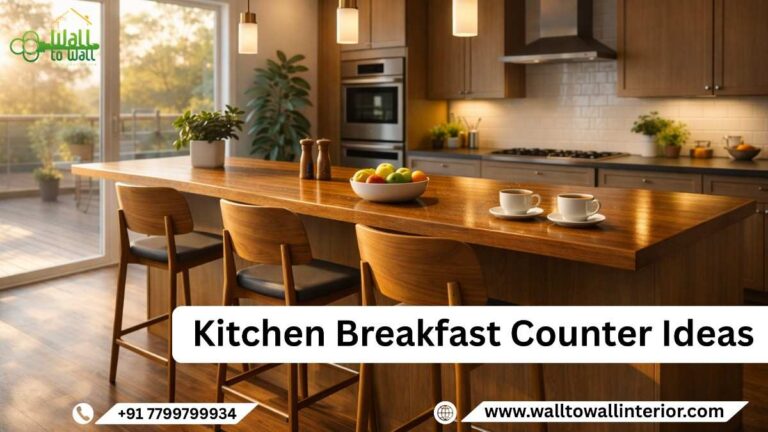
Breakfast counters are no longer limited to large kitchens. With the right design approach, they can be effectively incorporated into compact layouts as well. This guide explores practical kitchen breakfast counter ideas, including layout options, material choices, design styles, and common mistakes to avoid for a well-balanced kitchen space.
Why Breakfast Counters Are Important in Modern Kitchens Breakfast Counter Ideas
Breakfast counters serve multiple functions beyond basic dining. They act as a transition zone between the kitchen and living area, especially in open-plan layouts, helping create a more connected and functional space.
Key Benefits of Kitchen Breakfast Counter Ideas
Efficient use of available space
Improved workflow within the kitchen
A convenient spot for casual dining and interaction
Visual separation between kitchen and living spaces
When designed thoughtfully, kitchen breakfast counter ideas enhance both usability and overall aesthetics, making kitchens more practical and well-organized.
Types of Kitchen Breakfast Counter Layouts
Choosing the right layout is a key step when exploring kitchen breakfast counter ideas. The layout should match the kitchen’s size, shape, and daily usage to ensure both functionality and comfort.
Straight Counter Design
A straight breakfast counter is ideal for compact kitchens. It is typically attached to a wall or extended from the main kitchen platform, making it a space-efficient option.
L-Shaped Counter
This layout works well in medium-sized kitchens, offering additional seating and workspace while maintaining smooth movement within the kitchen.
U-Shaped Counter
U-shaped counters maximize available space and are suitable for larger kitchens. They provide more seating capacity along with extra storage and work surfaces.
Island Counter
Kitchen islands with breakfast counters are commonly used in open-plan layouts. They function as a central hub for cooking, dining, and social interaction.
Peninsula Counter
A peninsula counter is connected to one side of the kitchen and extends outward. It serves as a space-saving alternative to an island while still offering seating and functionality.
Space-Saving Kitchen Breakfast Counter Ideas
Not all homes have spacious kitchens, making efficient use of space essential. Well-planned kitchen breakfast counter ideas can help maximize functionality without overcrowding the layout.
Foldable Breakfast Counters
Foldable counters can be expanded when required and neatly tucked away when not in use, making them ideal for compact kitchens.
Wall-Mounted Counters
Wall-mounted designs are suitable for small spaces, offering a functional surface without occupying valuable floor area.
Narrow Counter Designs
Slim counters placed along walls or near windows provide a practical solution for tight layouts while maintaining usability.
Multi-Functional Counters
Counters that serve multiple purposes, such as storage units or workspaces, improve overall efficiency and reduce clutter.
These compact kitchen breakfast counter ideas are designed to optimize limited kitchen areas while maintaining functionality and comfort.
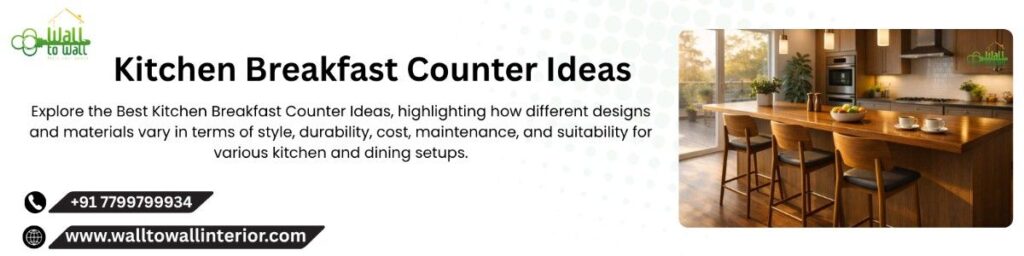
Materials for Kitchen Breakfast Counter Ideas
Material selection plays an important role in determining the durability, maintenance, and overall appearance of a breakfast counter. Choosing the right option is essential when planning practical kitchen breakfast counter ideas.
Granite and Quartz
Granite and quartz are durable, scratch-resistant, and easy to maintain, making them suitable for heavy daily use.
Wood
Wooden counters add warmth and a natural look to the kitchen. However, they require regular maintenance to prevent damage from moisture and wear.
Marble
Marble offers a premium and elegant appearance but needs careful handling to avoid stains and surface damage.
Laminate
Laminate is a cost-effective option available in a wide range of finishes, making it suitable for budget-friendly designs.
Concrete
Concrete provides a modern, industrial look along with high durability, making it suitable for contemporary kitchen styles.
Kitchen Breakfast Counter Design Styles
The design style of a breakfast counter should align with the overall kitchen theme to maintain visual consistency. Choosing the right style plays an important role in shaping practical and visually balanced kitchen breakfast counter ideas.
Modern Minimalist Style
Clean lines, neutral color palettes, and clutter-free surfaces define this style. It focuses on simplicity and efficient use of space.
Traditional Style
Classic materials, detailed finishes, and warm tones create a timeless and elegant appearance.
Industrial Style
Metal accents, exposed elements, and raw finishes give the counter a bold and functional industrial look.
Contemporary Style
A blend of materials, smooth finishes, and sleek designs creates a balanced and modern aesthetic.
Seating Options for Breakfast Counters
Seating is an essential element that directly affects the comfort and usability of a breakfast counter. Choosing the right seating style ensures that kitchen breakfast counter ideas remain practical and functional for everyday use.
Bar Stools
Bar stools are the most commonly used option for breakfast counters. Adjustable height and back support improve comfort and flexibility.
Fixed Seating
Built-in or fixed seating helps save space and maintains a clean, consistent design throughout the kitchen.
Bench Seating
Bench seating is suitable for family dining and accommodates more people, making it ideal for larger households.
Compact Stools
Backless or compact stools are a practical choice for small kitchens, as they can be easily tucked under the counter when not in use.
Lighting Ideas for Breakfast Counters
Lighting plays a crucial role in enhancing both functionality and visual appeal. Well-planned lighting ensures that breakfast counters are comfortable to use while also contributing to the overall kitchen design.
Pendant Lighting
Pendant lights installed above the counter provide focused illumination and help define the breakfast area within the kitchen.
Under-Counter Lighting
LED strip lighting beneath the counter adds subtle illumination, improves visibility, and enhances the overall design.
Natural Light Integration
Positioning the counter near windows allows maximum use of natural daylight, reducing the need for artificial lighting during the day.
Storage Integration in Kitchen Breakfast Counter Ideas
Incorporating storage into a breakfast counter significantly improves functionality and organization. Well-planned storage solutions ensure that kitchen breakfast counter ideas remain practical while maintaining a clean and clutter-free space.
Open Shelves
Open shelving allows easy access to frequently used items and helps keep essential kitchen elements within reach.
Cabinets Below Counters
Closed cabinets beneath the counter provide concealed storage, helping maintain a neat and organized appearance.
Hidden Storage
Pull-out drawers and concealed compartments enhance efficiency by maximizing available space without affecting the design.
Cluster Keywords for Kitchen Breakfast Counter Ideas
To explore a wider range of design possibilities, it is useful to consider related cluster topics that expand the scope of kitchen breakfast counter ideas and support better planning.
Related Cluster Topics
Small kitchen breakfast counter ideas
Modern kitchen breakfast counter designs
Kitchen island with breakfast counter
Space-saving breakfast counter ideas
Breakfast counter design for apartments
Open kitchen breakfast counter ideas
Kitchen counter seating ideas
Breakfast bar design ideas
Kitchen counter storage ideas
Compact kitchen breakfast solutions
These cluster keywords help broaden the understanding of kitchen breakfast counter ideas, making it easier to choose designs that suit different kitchen sizes, layouts, and functional needs.
Common Mistakes to Avoid
Avoiding common mistakes is essential for the effective implementation of kitchen breakfast counter ideas. Proper planning ensures both functionality and comfort in everyday use.
Ignoring Space Planning
Installing a breakfast counter without accurate measurements can restrict movement and disrupt the overall kitchen layout.
Choosing Incorrect Height
An improper counter height can lead to discomfort while sitting or using the space, affecting usability.
Lack of Lighting
Insufficient lighting reduces visibility and limits the functionality of the counter area.
Overcrowding the Area
Adding too many elements around the counter can make the kitchen feel cluttered and less efficient.
Ignoring Workflow
The counter should not interfere with cooking zones or movement paths within the kitchen.
Factors to Consider Before Installation
Before finalizing your design, it is important to evaluate key factors that influence both functionality and long-term usability. Careful planning ensures that kitchen breakfast counter ideas are practical and well-integrated into the overall layout.
Kitchen Size
Ensure the breakfast counter fits comfortably within the available space without restricting movement or workflow.
Usage Needs
Determine whether the counter will be used for dining, working, or multiple purposes to guide design decisions.
Budget
Select materials, finishes, and designs that align with your budget while maintaining quality and durability.
Maintenance
Choose materials that suit your maintenance preferences and daily usage requirements.
Seating Capacity
Plan seating based on family size and how frequently the counter will be used.
Benefits of a Well-Designed Breakfast Counter
A thoughtfully planned breakfast counter adds both functionality and visual balance to a kitchen. Well-executed kitchen breakfast counter ideas can enhance everyday usability while improving the overall layout.
Key Benefits
Improves kitchen efficiency by optimizing workspace and movement
Enhances visual appeal and complements the overall interior design
Provides a convenient area for casual dining
Encourages social interaction within the kitchen space
Adds value to the overall interior environment
These advantages highlight the importance of well-planned kitchen breakfast counter ideas in creating a practical and visually appealing kitchen.
FAQ’s
1. What is a kitchen breakfast counter?
A kitchen breakfast counter is a countertop area designed for quick meals, casual dining, or social interaction within the kitchen space.
2. How do I choose the right layout for my breakfast counter?
Consider your kitchen size, available space, seating needs, and workflow to select between straight, L-shaped, U-shaped, island, or peninsula counters.
3. Can I add a breakfast counter in a small kitchen?
Yes, space-saving options like wall-mounted, foldable, or narrow counters work well in compact kitchens.
4. What materials are best for a breakfast counter?
Durable options include granite, quartz, wood, marble, laminate, and concrete. Choose based on maintenance needs and kitchen style.
5. How high should a breakfast counter be?
Standard heights are 36 inches for regular counters and 42 inches for bar-style counters. Adjustable seating can accommodate variations.
6. What type of seating works best?
Bar stools, built-in benches, compact stools, or back-supported seating can be chosen depending on space and comfort requirements.
7. Can a breakfast counter double as a workspace?
Yes, multi-functional counters can be used for dining, meal prep, or as a small home office area
8. How do I incorporate lighting for a breakfast counter?
Use pendant lights, under-counter LED strips, or natural light from nearby windows for both functionality and ambiance.
9. What are common mistakes to avoid?
Avoid ignoring space planning, choosing incorrect heights, poor lighting, overcrowding, and disrupting workflow.
10. Can breakfast counters be added to open-plan kitchens?
Yes, they work well as a transition between the kitchen and living areas, especially with island or peninsula designs.
11. Are breakfast counters suitable for apartments?
Absolutely, with compact, foldable, or wall-mounted designs, breakfast counters fit even small apartment kitchens.
12. Should the counter match the kitchen style?
Yes, the material, color, and design should complement the overall kitchen theme, whether modern, traditional, industrial, or contemporary
13. How much space is needed for seating?
Leave at least 24–30 inches per person and 36 inches behind seats for comfortable movement
14. Can a breakfast counter have storage?
Yes, options include open shelves, cabinets below, pull-out drawers, or hidden compartments to keep the area organized.
15. How can I make the counter energy-efficient?
Maximize natural light, use LED lighting, and choose materials that require less maintenance for long-term sustainability.