
Waterproof Plywood for Home Interiors
When planning interiors, choosing the right materials is as important as selecting the design style. One material that plays a critical role in durability and long term performance is waterproof plywood for home interiors. Whether it is for kitchens, bathrooms, wardrobes, or utility areas, selecting the right plywood ensures strength, moisture resistance, and longevity.
Waterproof plywood for home interiors is specifically engineered to handle moisture prone environments without compromising structural integrity. In modern homes, where functionality and durability go hand in hand, using the right materials becomes essential for maintaining long lasting interiors.
This guide explains everything you need to know about waterproof plywood for home interiors, including its features, benefits, applications, and best practices.
What is Waterproof Plywood?
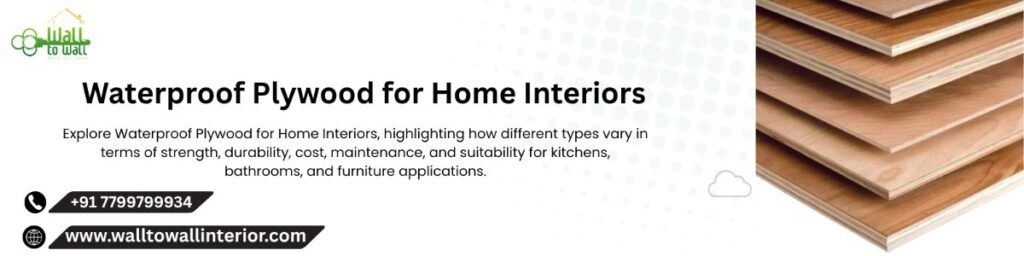
Waterproof plywood is a type of engineered wood made by bonding multiple layers of wood veneers using high-quality waterproof adhesives. This layered construction provides excellent strength, stability, and resistance to environmental factors. It is specifically designed to withstand moisture, humidity, and occasional water exposure without warping, swelling, or losing its structural integrity.
Unlike standard plywood, waterproof plywood for home interiors is treated with specialized resins and chemicals that reduce water absorption and improve durability. This makes it highly suitable for areas exposed to damp conditions, where regular plywood may deteriorate over time. Because of these properties, waterproof plywood for home interiors is widely used in spaces that require long-lasting and moisture-resistant materials.
Types of Waterproof Plywood for Home Interiors
Understanding the different types helps in selecting the right material for each space, ensuring both durability and performance. Choosing the correct waterproof plywood for home interiors depends on the level of moisture exposure and usage requirements.
1. BWP (Boiling Water Proof) Plywood
BWP plywood is considered the highest grade of waterproof plywood. It is manufactured using premium-quality hardwood veneers and bonded with strong waterproof adhesives, making it capable of withstanding prolonged exposure to water without damage. This type is widely used in kitchens, bathrooms, and other areas where moisture levels are consistently high. For long-term reliability, BWP is often the preferred choice in waterproof plywood for home interiors.
2. BWR (Boiling Water Resistant) Plywood
BWR plywood provides good resistance to moisture and humidity but is slightly less durable compared to BWP plywood. It is suitable for areas that experience moderate exposure to moisture, such as wardrobes, living room furniture, and wall units. It offers a balance between cost and performance, making it a practical option for many interior applications.
3. Marine Plywood
Marine plywood is specially designed for environments with high moisture exposure. It is made using high-grade wood and superior bonding agents, which make it highly resistant to water, humidity, and even fungal attacks. Due to its strength and durability, it is ideal for long-term use in demanding conditions. Marine plywood is often used in areas that require maximum protection, making it an important category within waterproof plywood for home interiors.
Benefits of Waterproof Plywood for Home Interiors
1. Moisture Resistance
The primary advantage of waterproof plywood for home interiors is its ability to resist water and moisture damage. It performs well in humid environments and areas exposed to occasional water contact, helping prevent swelling, warping, or delamination.
2. Durability
Waterproof plywood for home interiors is known for its long lifespan. Its strong bonding and layered construction make it resistant to wear and tear, ensuring consistent performance even in challenging conditions.
3. Termite and Borer Resistance
Many types of waterproof plywood are treated with protective chemicals that help resist termites and wood borers. This adds an extra layer of safety and enhances the durability of furniture and interior structures.
4. Structural Strength
With excellent load-bearing capacity, waterproof plywood for home interiors is suitable for a wide range of applications, including cabinets, wardrobes, and modular furniture. It maintains its shape and strength over time.
5. Low Maintenance
One of the practical benefits of waterproof plywood for home interiors is its low maintenance requirement. It does not require frequent repairs or replacements and retains its quality with basic care, making it a reliable material choice for long-term use.
Where to Use Waterproof Plywood for Home Interiors
Choosing the right application is key to maximizing the benefits and ensuring long-term durability. Using waterproof plywood for home interiors in the right areas helps prevent damage and reduces maintenance issues.
Kitchen Cabinets
The kitchen is one of the most moisture-prone areas in any home due to cooking, water usage, and humidity. Using waterproof plywood for home interiors in base cabinets, under-sink units, and countertops helps prevent swelling, warping, and structural damage over time. It is especially useful in areas near sinks and dishwashers where water exposure is frequent.
Bathroom Vanities
Bathrooms are exposed to constant humidity, water splashes, and temperature changes, making material selection crucial. Using waterproof plywood for home interiors in vanity units and storage cabinets helps prevent swelling, delamination, and long-term damage caused by moisture.
It is especially suitable for under-sink cabinets and wall-mounted storage where water exposure is frequent. Choosing waterproof plywood for home interiors in bathrooms ensures better durability, hygiene, and resistance to damp conditions over time.
Wardrobes and Storage Units
Wardrobes in humid climates are often exposed to moisture, especially when placed near windows, external walls, or poorly ventilated areas. Using waterproof plywood for home interiors in wardrobes and storage units helps prevent issues like swelling, warping, and fungal growth over time.
It is particularly useful for base sections and back panels where moisture can accumulate. Choosing waterproof plywood for home interiors ensures that wardrobes remain durable, maintain their shape, and provide long-lasting performance even in changing environmental conditions.
Utility Areas and Laundry Rooms
Utility spaces and laundry rooms are frequently exposed to water, detergents, and high humidity levels. Using waterproof plywood for home interiors in these areas helps protect cabinets, storage units, and work surfaces from moisture-related damage such as swelling, peeling, or weakening.
It is especially effective for sink units, washing machine cabinets, and overhead storage where water exposure is common. Choosing waterproof plywood for home interiors in utility areas ensures long-term performance, durability, and reduced maintenance even with regular use.
TV Units and Living Room Furniture
While living rooms are not typically exposed to direct water, factors like humidity, spills, and seasonal changes can still affect furniture over time. Using waterproof plywood for home interiors in TV units, display cabinets, and storage furniture adds an extra layer of protection against such conditions.
It helps maintain structural strength, prevents warping, and ensures that the furniture remains durable and stable for years. Incorporating waterproof plywood for home interiors in living spaces is a practical choice for enhancing longevity and reducing maintenance concerns.
Balcony and Semi-Outdoor Spaces
Covered balconies and semi-outdoor areas are often exposed to humidity, temperature variations, and occasional water contact. Using waterproof plywood for home interiors in these spaces helps protect seating units, storage benches, and cabinets from moisture-related damage.
Key Factors to Consider Before Choosing Waterproof plywood for home interiors
1. ISI Certification
Always check for ISI certification to ensure the plywood meets standard quality and safety guidelines. Certified waterproof plywood for home interiors offers better reliability, durability, and performance in moisture-prone areas.
2. Thickness
Selecting the right thickness is important based on the application. Common options like 6mm, 12mm, and 18mm are used for different purposes such as paneling, cabinets, and furniture. Choosing the correct thickness in waterproof plywood for home interiors ensures proper strength and stability.
3. Core Material Quality
The core of the plywood determines its overall strength and durability. High-quality core materials improve load-bearing capacity and reduce the chances of bending or warping over time.
4. Surface Finish Compatibility
Ensure that the plywood is compatible with finishes such as laminates, veneers, or acrylic coatings. Good compatibility enhances both appearance and protection, making waterproof plywood for home interiors more functional and visually appealing.
5. Budget Planning
Waterproof plywood is available in different grades and price ranges. It is important to balance cost with quality based on the specific application. Investing in the right waterproof plywood for home interiors helps avoid frequent repairs and ensures long-term value.
Common Mistakes to Avoid
Avoiding mistakes is crucial when using waterproof plywood for home interiors, as improper selection or usage can reduce its effectiveness and lifespan.
Using the Same Grade Everywhere
Not all spaces require the highest grade of plywood. Using BWP plywood in high-moisture areas like kitchens and bathrooms and BWR plywood in moderately exposed spaces ensures both efficiency and cost control. Choosing the right grade of waterproof plywood for home interiors based on application is essential.
Ignoring Edge Sealing
Even high-quality waterproof plywood can absorb moisture through exposed edges. Failing to seal edges properly can lead to swelling and damage over time. Proper edge sealing is a critical step when working with waterproof plywood for home interiors.
Choosing Based Only on Price
Selecting plywood based only on cost can lead to poor quality and reduced durability. It is important to balance price with performance to ensure long-term benefits.
Poor Installation
Incorrect installation techniques can compromise the strength and moisture resistance of plywood. Proper handling, cutting, and fitting are necessary to maintain the effectiveness of waterproof plywood for home interiors.
Skipping Professional Advice
Not consulting professionals can result in choosing the wrong material for specific applications. Expert guidance helps in selecting the most suitable waterproof plywood for home interiors, ensuring better performance and durability.
Maintenance Tips for Waterproof plywood for home interiors
- Clean surfaces regularly to prevent dirt and grime buildup, which can affect the finish over time.
- Avoid prolonged water exposure even though waterproof plywood for home interiors is moisture-resistant, as continuous contact can still impact durability.
- Use proper laminates, veneers, or protective finishes to enhance resistance and maintain appearance.
- Check for leaks in nearby plumbing areas, especially in kitchens and bathrooms, to prevent unnoticed moisture damage.
Waterproof Plywood vs Regular Plywood
Understanding the difference between these two materials helps in making the right choice for various applications. Waterproof plywood for home interiors is specifically designed to handle moisture, while regular plywood is better suited for dry areas.
Feature | Waterproof Plywood | Regular Plywood |
Moisture Resistance | High | Low |
Durability | Long-lasting | Moderate |
Cost | Higher | Lower |
Applications | Kitchens, bathrooms, utility areas | Dry areas like bedrooms and living rooms |
This comparison clearly shows why waterproof plywood for home interiors is preferred in moisture-prone spaces, as it offers better durability and resistance compared to regular plywood.
Cost Considerations Waterproof plywood for home interiors
The cost of waterproof plywood depends on several important factors, and understanding them helps in making a practical and informed decision.
- Grade (BWP, BWR, Marine): Higher grades offer better moisture resistance and durability, which directly impacts the price of waterproof plywood for home interiors.
- Thickness: Thicker boards generally cost more due to increased material usage and strength.
- Brand Quality: Established brands often provide better consistency, treatment, and reliability, which can influence pricing.
- Treatment and Certifications: Plywood that includes termite resistance, waterproof treatments, and quality certifications may come at a higher cost but offers better performance.
Future Trends in Waterproof Plywood for Home Interiors
The evolution of materials and design practices is influencing how waterproof plywood for home interiors is used in modern spaces. Emerging trends focus on durability, sustainability, and convenience.
- Eco-friendly plywood materials: Manufacturers are increasingly focusing on low-emission adhesives and sustainable sourcing, making waterproof plywood for home interiors more environmentally responsible.
- Advanced moisture-resistant technologies: Innovations in resin treatments and bonding techniques are improving the water resistance and lifespan of plywood.
- Pre-laminated waterproof boards: Ready-to-use boards with factory-applied finishes are gaining popularity for faster installation and consistent quality.
Smart modular furniture solutions: The rise of modular interiors is driving demand for precision-engineered waterproof plywood for home interiors that fits seamlessly into modern layouts.
Conclusion
Waterproof plywood for home interiors plays a vital role in creating durable, functional, and long lasting living spaces. From kitchens and bathrooms to wardrobes, utility areas, and even semi outdoor spaces, its moisture resistance and structural strength make it a dependable material choice. By understanding the different types, benefits, and correct applications, homeowners can make informed decisions and avoid common mistakes. Selecting the right waterproof plywood for home interiors not only improves performance but also minimizes maintenance issues over time.
In the long run, investing in quality waterproof plywood for home interiors ensures better durability, consistent performance, and enhanced overall interior quality, making it a practical and reliable solution for modern homes.
FAQ's
1. What is waterproof plywood for home interiors?
Waterproof plywood for home interiors is engineered wood made with waterproof adhesives and treatments that help resist moisture and humidity.
2. Is waterproof plywood completely waterproof?
Waterproof plywood for home interiors is highly water-resistant but not entirely waterproof under constant water exposure.
3. Where can waterproof plywood be used in homes?
Waterproof plywood for home interiors is commonly used in kitchens, bathrooms, wardrobes, utility areas, and semi-outdoor spaces.
4. What is the difference between BWP and BWR plywood?
BWP offers higher water resistance, while BWR is suitable for moderate moisture conditions in waterproof plywood for home interiors.
5. Is marine plywood better than BWP plywood?
Marine plywood provides excellent durability and moisture resistance, making it a strong option within waterproof plywood for home interiors.
6. Can waterproof plywood be used for kitchen cabinets?
Yes, waterproof plywood for home interiors is ideal for kitchen cabinets, especially in areas near sinks and cooking zones.
7. Is waterproof plywood suitable for bathrooms?
Waterproof plywood for home interiors is suitable for bathroom vanities and storage units due to its moisture resistance.
8. How long does wWaterproof plywood for home interiors last?
With proper care, waterproof plywood for home interiors can last for many years without significant damage.
9. Does waterproof plywood resist termites?
Many types of waterproof plywood for home interiors are treated to resist termites and borers.
10. What thickness is best for waterproof plywood?
The ideal thickness depends on the application, but 12mm and 18mm are commonly used in waterproof plywood for home interiors.
11. Is waterproof plywood expensive?
Waterproof plywood for home interiors is generally more expensive than regular plywood but offers better durability and long-term value.
12. Can waterproof plywood be used for wardrobes?
Yes, waterproof plywood for home interiors is suitable for wardrobes, especially in humid environments.
13. Do I need to seal Waterproof plywood for home interiors?
Yes, sealing edges is recommended to enhance the performance of waterproof plywood for home interiors.
14. Can waterproof plywood be used in balconies?
Waterproof plywood for home interiors can be used in covered balconies where direct water exposure is limited.
15. How to maintain waterproof plywood?
Regular cleaning, avoiding prolonged water exposure, and using proper finishes help maintain waterproof plywood for home interiors.