
Types of Wood Polish Finishes
Wood surfaces play a crucial role in interior design, affecting both visual appeal and long-term durability. Selecting the right finish not only highlights the natural texture and grain of wood but also provides protection against wear, moisture, and environmental exposure. Understanding Types of Wood Polish Finishes allows homeowners, designers, and carpenters to make informed decisions based on functionality, maintenance needs, and overall design goals.
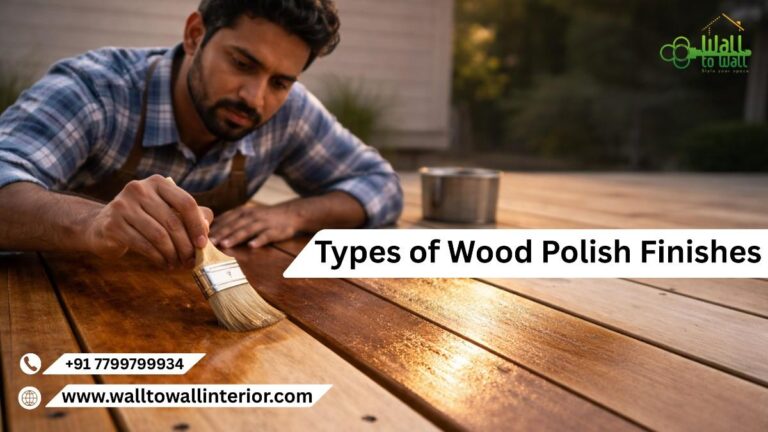
This comprehensive guide explores Types of Wood Polish Finishes while integrating important cluster keywords such as wood finishing techniques, furniture polish types, wood surface protection, interior wood finishes, matte vs glossy finish, wood coating solutions, wooden furniture maintenance, wood polish for furniture, and durable wood finishes to provide a well-rounded understanding of the topic.
What Are Wood Polish Finishes?
Wood polish finishes are protective coatings applied to wooden surfaces to improve both appearance and durability. They enhance the texture, bring out natural grain patterns, and offer protection against scratches, stains, and moisture.
Different Types of Wood Polish Finishes vary in composition, strength, gloss level, and maintenance needs. Choosing the right option depends on how the surface will be used, the surrounding environment, and the desired visual outcome.
Importance of Choosing the Right Types of Wood Polish Finishes
Understanding Types of Wood Polish Finishes is essential because the selected finish directly impacts both performance and appearance. A well-chosen finish ensures that wooden surfaces remain durable, easy to maintain, and visually appealing over time.
Key factors influenced by the right wood finish include:
- Surface durability: Protects wood from daily wear, scratches, and impact
- Visual appeal (matte vs glossy finish): Determines the final look, whether subtle or highly reflective
- Resistance to moisture and stains: Helps prevent damage in humid or spill-prone areas
- Ease of cleaning and maintenance: Reduces effort required for upkeep
- Longevity of wooden furniture: Extends the usable life of interior elements
Using appropriate wood finishing techniques improves wood surface protection and minimizes long-term repair and maintenance costs.
Melamine Finish Types of Wood Polish Finishes
Melamine is one of the most commonly used Types of Wood Polish Finishes in residential interiors.
Features
- Made from melamine resin
- Available in matte, satin, and semi-gloss finishes
- Spray-applied coating
Advantages
- Cost-effective wood coating solution
- Smooth finish with decent durability
- Suitable for interior furniture
Limitations
- Moderate resistance to heat and moisture
- Requires skilled application
Melamine is widely used for wardrobes, cabinets, and wooden furniture where budget and appearance need to be balanced.
PU (Polyurethane) Finish
PU polish is considered a premium option among Types of Wood Polish Finishes.
Features
- Available in matte, satin, and high-gloss finishes
- Applied using spray or brush methods
- Strong protective coating
Advantages
- Excellent durability
- High resistance to scratches, heat, and moisture
- Long-lasting finish
Limitations
- Higher cost compared to basic finishes
- Requires professional application
PU is ideal for kitchen cabinets, dining tables, and high-traffic furniture requiring durable wood finishes.
Duco Finish Types of Wood Polish Finishes
Duco is a painted finish often used in modern interiors.
Features
- Opaque finish (does not show wood grain)
- Available in a wide range of colours
- Smooth and uniform appearance
Advantages
- Ideal for contemporary designs
- High-gloss or matte options available
- Custom colour flexibility
Limitations
- Covers natural wood texture
- Requires maintenance to avoid scratches
Among Types of Wood Polish Finishes, Duco is chosen when colour consistency is more important than natural grain visibility.
Laminate Finish
Although technically a surface layer rather than polish, laminate is often included in Types of Wood Polish Finishes.
Features
- Pre-manufactured sheets
- Available in matte, glossy, textured, and woodgrain finishes
- Bonded to plywood or MDF
Advantages
- Highly durable and scratch-resistant
- Easy to clean
- Budget-friendly
Limitations
- Cannot be refinished
- Edges may chip over time
Laminate is commonly used for modular kitchens, wardrobes, and office furniture due to its low maintenance.
Acrylic Finish Types of Wood Polish Finishes
Acrylic finish is known for its high-gloss appearance and is popular in modern interiors.
Features
- Reflective, mirror-like surface
- UV-resistant coating
- Smooth finish
Advantages
- Premium appearance
- Enhances brightness in interiors
- Consistent colour finish
Limitations
- Visible fingerprints and scratches
- Higher cost
In the range of Types of Wood Polish Finishes, acrylic is preferred for contemporary kitchen cabinets and wardrobes.
French Polish Types of Wood Polish Finishes
French polish is a traditional finishing method that uses shellac to create a rich and elegant surface. It is one of the classic Types of Wood Polish Finishes, valued for its natural appearance and ability to enhance the beauty of wood grain.
Features
- Hand-applied using specialized wood finishing techniques
- Provides a natural, warm appearance
- Enhances the depth and clarity of wood grain
Advantages
- Offers a rich, classic aesthetic
- Ideal for antique and heritage furniture
- Easy to repair and reapply when needed
Limitations
- Low resistance to water and heat
- Requires regular maintenance and careful handling
Among various Types of Wood Polish Finishes, French polish is best suited for decorative furniture and low-usage areas where appearance is prioritized over strong wood surface protection.
Oil Finish
Oil finish is a natural method among Types of Wood Polish Finishes that penetrates deep into the wood rather than forming a thick surface layer. It enhances the inherent beauty of wood while maintaining a subtle and organic look.
Features
- Uses natural wood finishing techniques
- Enhances grain visibility and texture
- Provides a matte or low-sheen finish
Advantages
- Easy to apply and suitable for basic wooden furniture maintenance
- Offers a natural and warm appearance
- Considered an eco-friendly option among interior wood finishes
Limitations
- Provides lower surface protection compared to synthetic wood coating solutions
- Requires periodic reapplication to maintain durability
Among different Types of Wood Polish Finishes, oil finish is ideal for those who prefer natural aesthetics and are willing to maintain the surface regularly for long-term appearance
Wax Finish
Wax is one of the simplest Types of Wood Polish Finishes.
Features
- Soft, natural finish
- Provides a smooth texture
- Often used over other finishes
Advantages
- Enhances natural wood look
- Easy to apply
- Low-cost solution
Limitations
- Minimal protection
- Requires regular maintenance
Wax is typically used for decorative furniture rather than high-use surfaces.
Water-Based Finish
Water-based finishes are increasingly favored in modern interiors as a key option among Types of Wood Polish Finishes. They combine eco-friendly properties with ease of application, making them ideal for both residential and commercial indoor wood surfaces.
Features
- Environmentally friendly formulation
Advantages
- Safer for indoor environments than traditional solvent-based finishes
- Preserves the original colour and grain of wood
- Offers good durability for everyday use
Limitations
- Slightly less durable than solvent-based alternatives under heavy traffic
- Requires careful and even application for optimal results
Water-based finishes are perfect for indoor furniture, sustainable wood projects, and homeowners seeking interior wood finishes that are low maintenance and environmentally conscious while maintaining natural wood aesthetics.
Factors to Consider When Choosing Types of Wood Polish Finishes
Selecting the right finish for wooden furniture or surfaces requires evaluating several practical factors. Understanding these considerations ensures long-lasting durability, aesthetic appeal, and proper wood surface protection.
1. Usage Area
High-traffic furniture like dining tables, kitchen cabinets, or office desks benefit from durable finishes such as PU or laminate. Decorative pieces, showpieces, or low-usage furniture can use finishes like wax or French polish for a classic look.
2. Aesthetic Preference
Decide between matte vs glossy finish depending on your interior style:
- Glossy finishes, such as acrylic or PU, suit modern and contemporary interiors
- Matte finishes, like oil or wax, provide subtle elegance and traditional charm
3. Maintenance Requirements
Consider how much upkeep you are willing to perform:
- Low maintenance interiors benefit from laminates, PU, or water-based finishes
- French polish or oil finishes require regular care and periodic reapplication
4. Budget Planning
Types of Wood Polish Finishes vary in cost. While PU and acrylic are more expensive, options like melamine, wax, or laminates provide budget-friendly alternatives without compromising basic durability. Balancing cost and quality is crucial for practical wood finishing solutions.
5. Environmental Conditions
Humidity, temperature, and exposure to moisture affect wood longevity. Moisture-resistant finishes like PU, laminates, or water-based coatings are suitable for kitchens, bathrooms, and humid climates, whereas traditional finishes like French polish are better for dry and low-traffic areas.
Advantages of Types of Wood Polish Finishes
Using the appropriate wood polish significantly improves both the appearance and longevity of wooden surfaces. Understanding the Types of Wood Polish Finishes helps homeowners and designers maximize these benefits.
Key Advantages
- Enhances Natural Grain and Texture: Polishes highlight the beauty of wood, emphasizing patterns and richness.
- Protects Against Scratches and Stains: Surface coatings act as a barrier against daily wear, spills, and accidental damage.
- Improves Durability: Proper finishes increase the lifespan of furniture by reducing the impact of environmental factors.
- Supports Long-Term Maintenance: Easier cleaning and upkeep are possible with the right finish, reducing frequent repairs.
- Adds Value to Interiors: Well-finished furniture enhances overall interior aesthetics and property value.
Selecting the right type based on usage, location, and desired look ensures that your wooden furniture benefits from both beauty and wood surface protection while supporting low-maintenance interiors and durable wood finishes.
Common Mistakes to Avoid
When selecting Types of Wood Polish Finishes, avoid these common errors:
- Choosing finish based only on appearance
- Ignoring maintenance requirements
- Not considering moisture exposure
- Skipping professional application where required
- Mixing incompatible wood coating solutions
Proper planning helps avoid costly repairs and ensures long-term performance.
Conclusion
Understanding Types of Wood Polish Finishes is essential for achieving both durability and visual appeal in interior design. Each finish serves a specific purpose, from the high durability of PU coatings to the natural look of oil and wax finishes.
By considering factors such as usage, maintenance, budget, and environmental conditions, homeowners can select the most suitable option for their needs. Incorporating the right wood finishing techniques and interior wood finishes ensures better wood surface protection, improved longevity, and a balanced aesthetic.
Choosing wisely among different Types of Wood Polish Finishes allows you to maintain the beauty and strength of wooden furniture while aligning with practical requirements and long-term usability.
FAQ's
1. What are the different types of wood polish finishes?
Common Types of Wood Polish Finishes include melamine, PU (polyurethane), Duco, laminate, acrylic, French polish, oil, wax, and water-based finishes. Each has unique properties, durability, and maintenance needs.
2. Which wood polish finish is best for high-traffic furniture?
PU and laminate finishes are ideal for high-use furniture like dining tables and office desks because they offer superior scratch and moisture resistance.
3. Can I apply oil finish over a painted surface?
No, oil finishes penetrate natural wood and do not adhere properly to painted or previously coated surfaces. Always use bare wood or appropriately prepared surfaces.
4. What is the difference between acrylic and PU finishes?
Acrylic provides a high-gloss, mirror-like surface mainly for aesthetics, while PU offers stronger durability, scratch and moisture resistance, making it better for frequently used furniture.
5. Are water-based finishes eco-friendly?
Yes, water-based finishes have low VOCs, emit minimal odor, dry quickly, and are safer for indoor use, making them environmentally friendly compared to solvent-based finishes.
6. Which wood polish finish is easiest to maintain?
Laminate and PU finishes require minimal maintenance and are easy to clean, making them ideal for low-maintenance interiors.
7. Can wax finish be used on kitchen cabinets?
Kitchen cabinets require durable finishes, so wax—which provides only light protection—is better reserved for decorative or infrequently used furniture.
8. Does French polish protect wood from water damage?
French polish offers limited water resistance and is best used for antique or decorative furniture in low-traffic areas.
9. Can I switch from one wood polish finish to another?
Switching finishes requires removing the old coating completely. Some finishes may not adhere well to previously applied coatings, so preparation is crucial.
10. Is laminate considered a wood polish finish?
Laminate is technically a surface layer, not a traditional polish, but it is often included in Types of Wood Polish Finishes due to its protective and decorative properties.
11. What is the difference between matte vs glossy finishes?
Matte finishes provide subtle elegance and hide fingerprints or scratches better, while glossy finishes enhance brightness and create a reflective, modern appearance.
12. How often should oil or wax finishes be reapplied?
Oil and wax finishes require periodic reapplication, usually every 6–12 months depending on usage and exposure, to maintain durability and appearance.
13. Are PU finishes heat-resistant?
Yes, PU finishes are highly resistant to heat, scratches, and moisture, making them suitable for kitchen tables, cabinets, and other frequently used surfaces.
14. Which finishes highlight natural wood grain the best?
Oil, wax, and French polish enhance the natural grain and texture, while Duco or acrylic may cover the grain completely.
15. How do I choose the right wood polish finish for my furniture?
Consider usage area, desired appearance (matte vs glossy), maintenance ability, budget, and environmental conditions. Selecting finishes based on these factors ensures durability and long-term performance.